
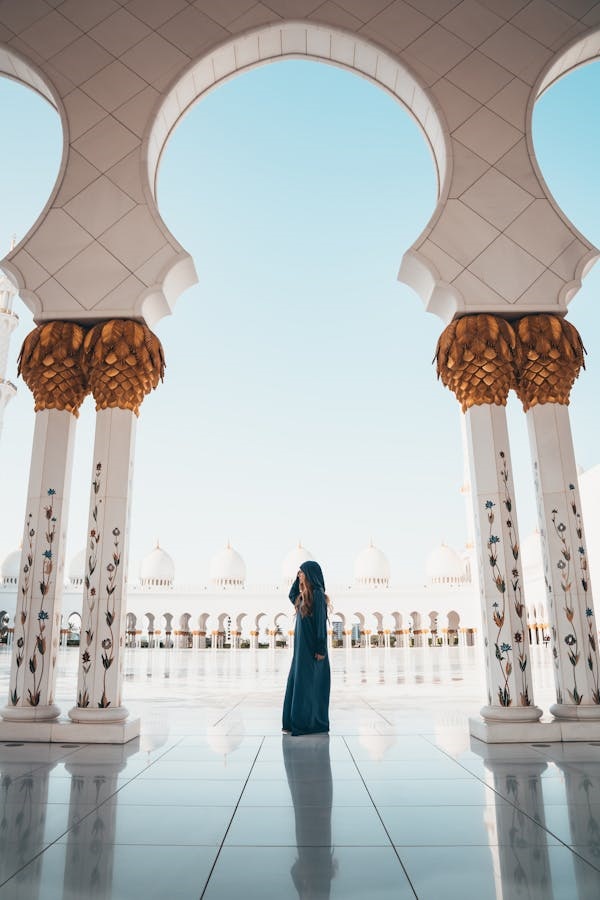
This article is on love and mercy (Mawaddah wa Rahmah) as the divine foundation of emotional intimacy in marriage.
In a world obsessed with the mechanics of marriage—contracts, rights, obligations, and legal frameworks—it is tragically easy to lose sight of the soul. Couples can fulfill every outward requirement of the Nikah: the Mahr is paid, the witnesses are present, the husband provides financially, the wife guards the home, and yet the marriage feels hollow. It is technically valid but spiritually empty. It is halal but not alive.
Why? Because marriage is not a machine. It is a garden. And gardens do not grow from legal clauses alone. They grow from water, sunlight, and soil—from the invisible, life-giving forces that nourish the heart. Allah, the Creator of all gardens, explicitly named these forces in the Quran. He did not describe marriage primarily as a contract (Aqd) or a transaction (Bay’). He described it as a divine sign containing two extraordinary elements: Mawaddah and Rahmah.
“And of His signs is that He created for you from yourselves mates that you may find tranquility (Sakinah) in them; and He placed between you affection (Mawaddah) and mercy (Rahmah). Indeed in that are signs for a people who give thought.” (Surah Ar-Rum 30:21)
This verse is not poetry appended to the marriage ceremony. It is the Quran’s central thesis on the purpose of marriage. Allah is saying: Look at the love and mercy between two spouses. That is not random biology. That is not mere compatibility. That is a sign (Ayah) of Allah Himself. To experience love for your spouse and to show them mercy is to witness the divine in your daily life.
This article explores the profound meanings of Mawaddah and Rahmah, how they differ from fleeting romantic passion, and how couples can actively cultivate emotional intimacy as an act of worship.
Defining the Divine Duo: Mawaddah and Rahmah
The Arabic language is precise. When Allah chooses two different words to describe the emotional bond between spouses, He is teaching us that love is not monolithic. It has layers. And a successful marriage requires both.
Mawaddah: The Burning, Loyal Affection
Mawaddah comes from the root wadda, which means to love, to long for, to wish for the good of the beloved. It is not a passive feeling. It is an active, warm, affectionate love that desires the other’s happiness. When you feel a rush of warmth when your spouse walks through the door, that is Mawaddah. When you miss them intensely during a work trip, that is Mawaddah. When you choose their favorite meal without being asked, that is Mawaddah in action.
Classical scholars describe Mawaddah as a love that is exclusive and loyal. It is the love that makes you prefer your spouse over others. It is the emotional fuel that makes sacrifice feel like joy rather than burden. The Prophet (peace be upon him) embodied Mawaddah. He would greet Aisha with warmth, call her by affectionate nicknames, drink from the same spot on a cup where she had drunk, and say “I know when you are pleased with me and when you are angry with me.” That is Mawaddah—knowing, caring, and showing up with warmth.
Rahmah: The Forgiving, Protective Mercy
Rahmah is one of the most expansive words in the Quran. It is the same root as Rahman (the Most Merciful) and Rahim (the Especially Merciful). Rahmah is not merely “pity.” It is a merciful, compassionate love that forgives faults, covers weaknesses, and shows kindness even when the other person does not “deserve” it.
If Mawaddah is the fire of romantic love, Rahmah is the water that prevents that fire from burning the house down. Because no matter how much you love someone, they will disappoint you. They will be tired, irritable, forgetful, and selfish at times. Rahmah is what allows you to look at your spouse’s flaw and say, “I see your imperfection, and I choose to be kind anyway.”
The Prophet said: “The merciful (rahim) are shown mercy by the Most Merciful (al-Rahman). Have mercy on those on earth, and the One in heaven will have mercy on you.” (Sunan al-Tirmidhi). In marriage, Rahmah means forgiving a harsh word spoken in exhaustion, covering a mistake instead of exposing it, and giving your spouse the benefit of the doubt when you are unsure.
The Difference Between Romantic Passion and Mawaddah/Rahmah
Modern culture, especially films and novels, equates love with passion—the butterflies, the sleepless nights, the obsessive thinking, the dramatic gestures. This is not love; it is infatuation (what the Arabs sometimes call Hubb al-‘Arid, temporary love). Infatuation is intense, but it is also fragile. It burns hot and fast, and when reality intrudes—when he leaves his socks on the floor, when she is too tired for intimacy—the infatuation often shatters.
Mawaddah and Rahmah are different. They are not merely feelings; they are choices and actions that generate feelings over time. You can feel intense infatuation for a stranger. But you cannot feel Mawaddah for someone you have not sacrificed for. You cannot feel Rahmah for someone whose faults you have not forgiven. These are grown in the soil of shared life, shared struggle, and shared worship.
The Prophet’s marriage to Khadijah (may Allah be pleased with her) is the ultimate example. When she died, he continued to send gifts to her friends years later. He said: “She believed in me when no one else did. She comforted me when others rejected me.” That is Mawaddah—loyalty that outlasts death. That is Rahmah—gratitude for her mercy toward him. He did not have butterflies for twenty-five years; he had something far deeper.
Emotional Intimacy as Worship: Practical Cultivation
If Mawaddah and Rahmah are divine signs, then actively cultivating them is an act of Ibadah (worship). Every time you intentionally increase love and mercy in your marriage, you are not just being a “good spouse.” You are responding to Allah’s sign and drawing closer to Him. Here are practical, prophetic ways to cultivate emotional intimacy.
1. Speak the Language of Love: Words of Affection
The Prophet was not silent about his love. He openly expressed affection to his wives. He told Aisha: “I know when you are pleased with me and when you are angry with me. When you are pleased, you say ‘No, by the Lord of Muhammad,’ and when you are angry, you say ‘No, by the Lord of Ibrahim.'” She laughed and said: “Yes, by Allah, O Messenger of Allah, I only leave your name.” He knew her moods. He paid attention.
He also said directly: “I love you, Aisha.” She asked: “What about your other wives?” He said: “They are like the salt in food. But you are like the bread.” (Paraphrased from various narrations). He did not fear expressing preference in a way that honored all.
Practical Step: Say “I love you” daily. Not just on anniversaries. Say it when you leave for work, when you return, before sleep. Find specific things to praise: “I love how patient you are with the children.” “I love your dedication to prayer.” “I love the way you make me laugh.” These are not empty words; they are seeds of Mawaddah.
2. Show Mercy Through Forgiveness: The Daily Pardon
No marriage survives without daily forgiveness. The Prophet said: “A believer does not bite the same wound twice.” (Musnad Ahmad). Holding grudges, keeping score, and revisiting past mistakes kills Rahmah. Mercy means wiping the slate clean even when you remember the offense.
Aisha (RA) reported that the Prophet never struck anyone with his hand, neither a woman nor a servant, except when fighting in the cause of Allah. When he was wronged personally, he did not take revenge. He forgave. His wives were human; they made mistakes. He chose mercy.
Practical Step: At the end of each day, ask yourself: “What did my spouse do today that I can forgive?” If nothing major happened, forgive a small annoyance—the towel left on the floor, the sharp tone when tired. Say to yourself: “I release this. I will not bring it up tomorrow.” That is Rahmah.
3. Physical Affection: The Body Remembers
Emotional intimacy is deeply connected to physical affection. The Prophet was physically affectionate with his wives outside of sexual intimacy. Aisha said: “The Prophet would kiss me while he was fasting.” (Abu Dawud). He would put his head in her lap and recite Quran. He would race her in the desert. Touch communicates love that words cannot.
Practical Step: Make it a habit to touch your spouse non-sexually every day. A hand on the shoulder. A hug when one returns home. Holding hands while watching a show. A kiss on the forehead before sleep. These small gestures build a reservoir of warmth that sustains the marriage through harder times.
4. Quality Time: The Gift of Presence
In a world of smartphones, work emails, and endless distractions, giving your spouse your full attention is a revolutionary act of love. The Prophet spent time with his wives not just for intimacy but for companionship. He would sit and talk with them. He listened to their stories. He even watched Ethiopian warriors play spears in the mosque with Aisha watching over his shoulder.
Practical Step: Establish a daily “no screens” time with your spouse. Even fifteen minutes. Sit together, face each other, and talk about your day—not just logistics (“did you pay the bill”) but feelings (“what made you sad today, what made you grateful”). Ask: “How can I pray for you?” This is the heart of emotional intimacy.
5. Acts of Service: Love Made Visible
The Prophet served his family. When asked what he did at home, he said: “I serve my family, and when the time for prayer comes, I go out to pray.” (Bukhari). He mended his own clothes, milked his goat, and helped with household chores. He did not consider himself too important for small acts of service.
Practical Step: Each week, perform one act of service for your spouse without being asked. Wash the dishes when it is their turn. Bring them tea without them requesting it. Fill up their car with gas. Take over bedtime for the children so they can rest. These acts say “I see you, I care for you” more loudly than any love letter.
6. Gratitude: The Antidote to Contempt
The Prophet warned that the majority of people in Hellfire were women who were ungrateful to their husbands (and ungrateful to others who did good to them). This is a severe warning, but it applies equally to husbands. Ingratitude—focusing on what your spouse does wrong while ignoring what they do right—is the death of love.
The Prophet said: “He who does not thank people does not thank Allah.” (Abu Dawud). Thanking your spouse for their efforts, no matter how small, is a form of thanking Allah for His blessing.
Practical Step: Every evening, mention three specific things your spouse did that day for which you are grateful. “Thank you for making breakfast.” “Thank you for listening to me complain about work.” “Thank you for being patient with the kids.” Do this even on hard days. Gratitude rewires your brain to see love rather than faults.
7. Shared Worship: The Deepest Intimacy
The deepest emotional intimacy is not physical; it is spiritual. When spouses worship together, they connect at the level of the soul. The Prophet said: “May Allah have mercy on a man who gets up at night to pray and wakes his wife to pray; if she refuses, he sprinkles water on her face. And may Allah have mercy on a woman who gets up at night to pray and wakes her husband.” (Abu Dawud).
Practical Step: Pray together at least once a day. Even if it is just praying Isha side by side. Recite Quran together. Listen to an Islamic lecture together and discuss it. Make du’a (supplication) for each other by name. When you ask Allah to bless your spouse, your heart softens toward them.
The Fruits of Mawaddah and Rahmah: Sakinah (Tranquility)
When love and mercy are cultivated, they produce the third element mentioned in the verse: Sakinah (tranquility). Sakinah is not excitement or thrill. It is peace. It is the feeling of coming home. It is knowing that with this person, you are safe. You do not have to perform, pretend, or prove your worth. You are loved for who you are, not what you provide.
A marriage with Mawaddah and Rahmah is a marriage where:
-
You can admit a mistake without fear of being destroyed.
-
You can express sadness without being shamed.
-
You can ask for help without being called weak.
-
You can be silent together without awkwardness.
-
You can disagree without fearing abandonment.
This is Sakinah. And it is a direct gift from Allah to those who work for it.
Common Obstacles to Emotional Intimacy
Many couples struggle with emotional intimacy not because they do not love each other, but because they have obstacles they have not addressed:
-
Unresolved past trauma: Abuse, neglect, or previous betrayals can make emotional vulnerability terrifying. Professional counseling is not shameful; it is a means of healing.
-
Cultural conditioning: Many men are raised to believe that showing emotion is “unmanly.” Many women are raised to believe that expressing needs is “demanding.” Both must unlearn these cultural lies and follow the Prophetic model of emotional openness.
-
Busyness and exhaustion: When life is a blur of work, children, and chores, emotional intimacy is the first casualty. You must schedule time for love, or it will not happen.
-
Smartphones: The greatest thief of marital intimacy in our generation. A spouse scrolling Instagram while the other talks is silently screaming “you are not as interesting as this screen.” Put the phone down.
Conclusion: Love and Mercy as a Mirror of the Divine
When you love your spouse with Mawaddah—with warmth, loyalty, and affection—you are reflecting a divine attribute. When you show your spouse Rahmah—with forgiveness, patience, and compassion—you are reflecting the mercy of al-Rahman. Your marriage becomes a mirror of the divine names.
That is why Allah calls it a sign. Look at a husband and wife who have been married for decades. They are not young. They are not “in love” in the Hollywood sense. But when you see him hold her hand as she walks slowly due to arthritis, and when you see her smile at him even though he has forgotten where he put his glasses for the hundredth time—you are looking at Mawaddah and Rahmah. You are looking at an ayah of Allah.
Do not settle for a marriage that is merely halal. Strive for a marriage that is alive. Strive for Mawaddah. Strive for Rahmah. And in doing so, you will find not only marital happiness but also a path to your Creator. As the Prophet said: “When a man loves his brother (or spouse), let him tell them that he loves them.” (Abu Dawud). Tell your spouse today. And mean it. For that love, when it is for the sake of Allah, becomes worship. And worship is the purpose of your existence. Ameen.